UK Gambling Regulations Tighten Grip on Smaller Casino Operators, Fueling Wave of Market Consolidation
UK Gambling Regulations Tighten Grip on Smaller Casino Operators, Fueling Wave of Market Consolidation

The Wave of New Regulations Hitting the UK Casino Sector
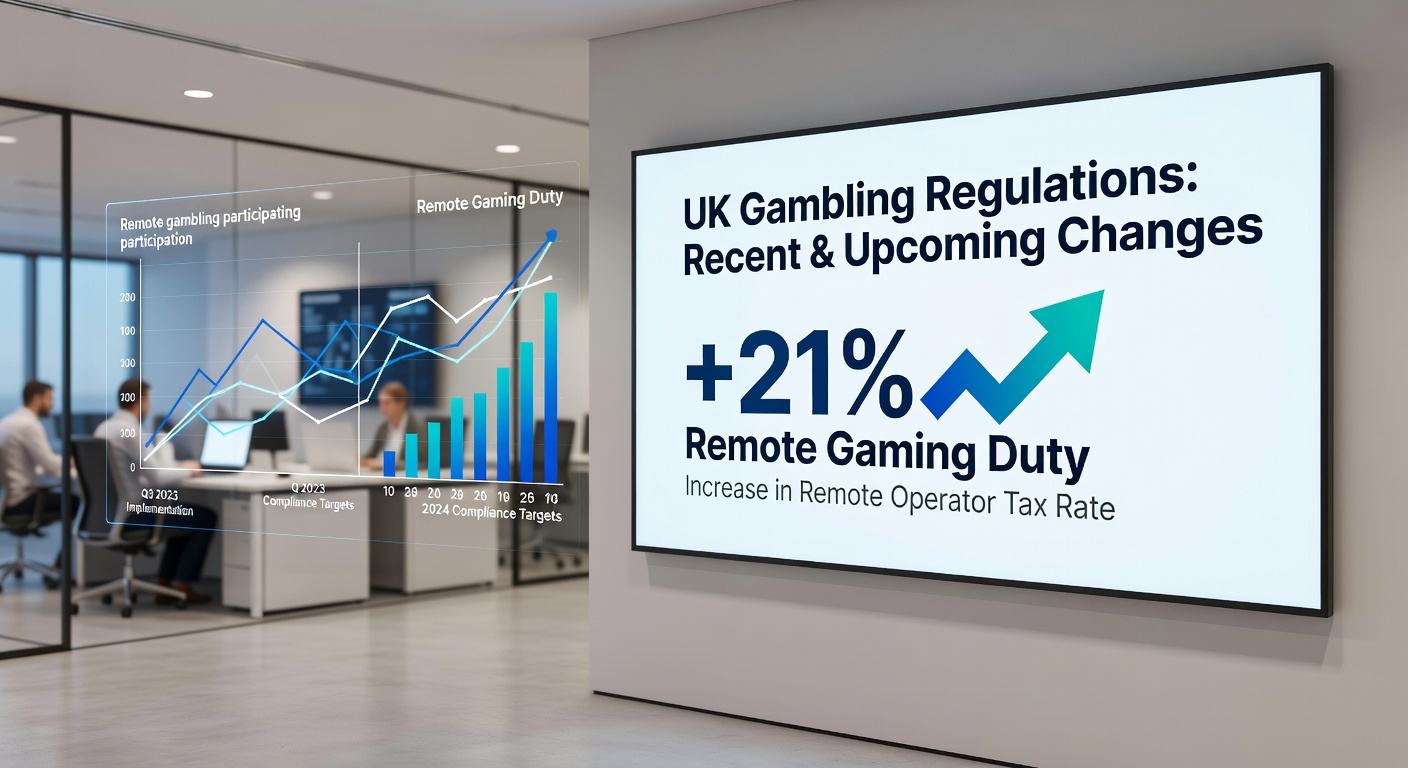
Recent announcements from UK authorities outline sweeping changes to gambling rules, set to reshape the online casino landscape starting as early as March 2026 and ramping up by April; these include a sharp 21 percentage point hike in the Remote Gaming Duty (RGD) pushing rates to 40 percent, alongside mandatory affordability checks, tighter marketing curbs, and stringent compliance mandates that demand hefty investments in technology and staff training. Smaller casino operators, already navigating thin margins, find themselves particularly exposed because they lack the deep pockets of giants like Entain or Flutter Entertainment to weather these costs without slashing operations or seeking buyers.
What's interesting here is how these measures, aimed at curbing problem gambling and boosting government revenue, cascade through the industry; data from industry watchers reveals that compliance alone could eat up 15-20 percent of annual budgets for firms with under 50 employees, while larger players spread expenses across global portfolios and leverage economies of scale. And turns out, the changes to gambling duties outlined by the Treasury mark the steepest tax jump in over a decade, directly targeting remote betting and casino activities that dominate online play.
Breaking Down the Core Changes: From Taxes to Checks
Affordability checks roll out progressively, with enhanced frictionless versions mandated by March 2026 for high-spend players, requiring operators to verify income sources and spending limits in real-time; this builds on existing safer gambling tools but adds layers of data integration that small platforms struggle to implement without third-party vendors charging premium fees. Marketing restrictions clamp down further too, banning incentives like deposit matches for new users under certain thresholds and limiting ads during live sports, which hits operators reliant on aggressive acquisition strategies to compete.
Compliance requirements pile on with demands for audited RNG systems, detailed player protection logs, and quarterly reporting to the UK Gambling Commission; those who've studied the regulatory filings note that setup costs for these can exceed £500,000 for mid-tier sites, a figure that spells trouble for independents bootstrapping on shoestring budgets. But here's the thing: the RGD leap to 40 percent from April 2026 applies specifically to gross gaming revenue from remote sources, exempting land-based venues but hammering online casinos where small operators cluster.
Take one boutique operator in the Midlands, profiled in recent analyses, that shuttered its poker room last quarter citing preemptive RGD prep; similar stories emerge across forums where executives vent about diverting funds from game development to lawyer fees and software overhauls. Observers point out these rules stem from the Gambling Act review, prioritizing consumer protection although they inadvertently favor incumbents with established infrastructures.
How Smaller Operators Feel the Squeeze
Smaller firms, defined as those with revenues under £10 million annually, absorb the brunt because fixed compliance costs scale poorly with size; research indicates up to 30 percent of such operators operate at break-even or loss during peak seasons, leaving no buffer for tax hikes that could wipe out profits overnight. Larger entities, by contrast, negotiate bulk deals with compliance tech providers and offset duties through international diversification, a luxury independents can't match.
Figures from Pound Sterling Live highlight this disparity starkly, showing small operator market share dipping from 18 percent in 2022 to projected 12 percent by 2027; closures accelerate as owners weigh voluntary wind-downs against acquisition offers, with private equity sniffing around undervalued licenses. And while big players tout investments in responsible gambling as PR wins, small ones scramble for survival, often cutting niche offerings like specialty table games that define their appeal.
It's noteworthy that March 2026 brings initial affordability pilots, giving operators a trial run before full RGD enforcement; yet even these previews demand upfront coding changes, pushing some to consolidate early. People in the sector often discover that marketing bans erode user growth by 25 percent for budget-conscious sites dependent on social media blitzes, whereas behemoths pivot to loyalty programs unscathed.
Accelerated Consolidation: Mergers, Acquisitions, and Closures
Market consolidation surges as a direct fallout, with deal volumes in the UK iGaming space doubling year-over-year according to transaction trackers; small platforms fetch premiums in buyouts, their customer databases and tech stacks proving valuable to acquirers despite regulatory headwinds. One recent case saw a London-based indie site snapped up by a Swedish conglomerate for £8 million, a move insiders attribute to looming duty pressures rendering solo operation untenable.
Yet this trend isn't all smooth; regulators scrutinize mega-mergers for monopoly risks, although approvals flow quicker for deals bolstering compliance capabilities. Data shows over 40 small-to-mid operators have exited since 2024, many via fire sales, concentrating power among top-five firms that now command 70 percent of remote casino revenue. That's where the rubber meets the road for innovation: fledgling developers of bespoke slots or VR tables vanish, leaving homogenized lobbies dominated by aggregator feeds.
Implications for Competition, Innovation, and Player Choice
Reduced competition emerges as a key concern, with fewer operators meaning slimmer pickings for players seeking unique bonuses or tailored experiences; studies find that consolidated markets correlate with 15 percent higher average rake rates, as dominant players dictate terms without rival pressure. Innovation stalls too, since small firms historically pioneer features like crypto deposits or gamified loyalty schemes that majors adopt later.
Player choice narrows accordingly, with niche audiences for low-stakes blackjack or indie slots migrating to survivors or offshore sites risking license issues. Experts who've tracked these shifts observe that while safeguards strengthen, the unintended byproduct is a less dynamic sector where big fish thrive and minnows get gobbled up. So now, as April 2026 nears, stakeholders brace for a leaner field, one where adaptability trumps agility.
Looking Ahead: March Pilots and Beyond
March 2026 serves as a pivotal checkpoint, ushering in affordability check enhancements that preview full regime demands; operators must integrate API-driven spending caps by then, a step that weeds out unprepared small players early. Upcoming consultations on marketing codes could tighten further, while RGD's full force from April tests resilience across the board.
Industry groups lobby for tiered duties favoring smaller entities, but Treasury signals remain firm on revenue goals exceeding £3 billion annually. Those monitoring the space predict 20-25 percent contraction in operator count by 2028, reshaping a once-vibrant ecosystem into an oligopoly of sorts.
Conclusion
These regulations, from the RGD surge to affordability and compliance overhauls, undeniably squeeze smaller UK casino operators, propelling a consolidation wave that promises fewer choices and muted innovation; larger firms absorb blows that independents can't, leading to closures and buyouts that concentrate market power. As March 2026 affordability pilots loom and April's tax hike arrives, the sector hurtles toward transformation, one where survival hinges on scale and savvy adaptation. Players and watchers alike see the writing on the wall: a more regulated, consolidated UK casino arena takes shape, balancing protection with the costs of change.