Tracing User Progression Routes in Mobile Casino Platforms: Linking Trial Mechanics With Integrated Reward Frameworks
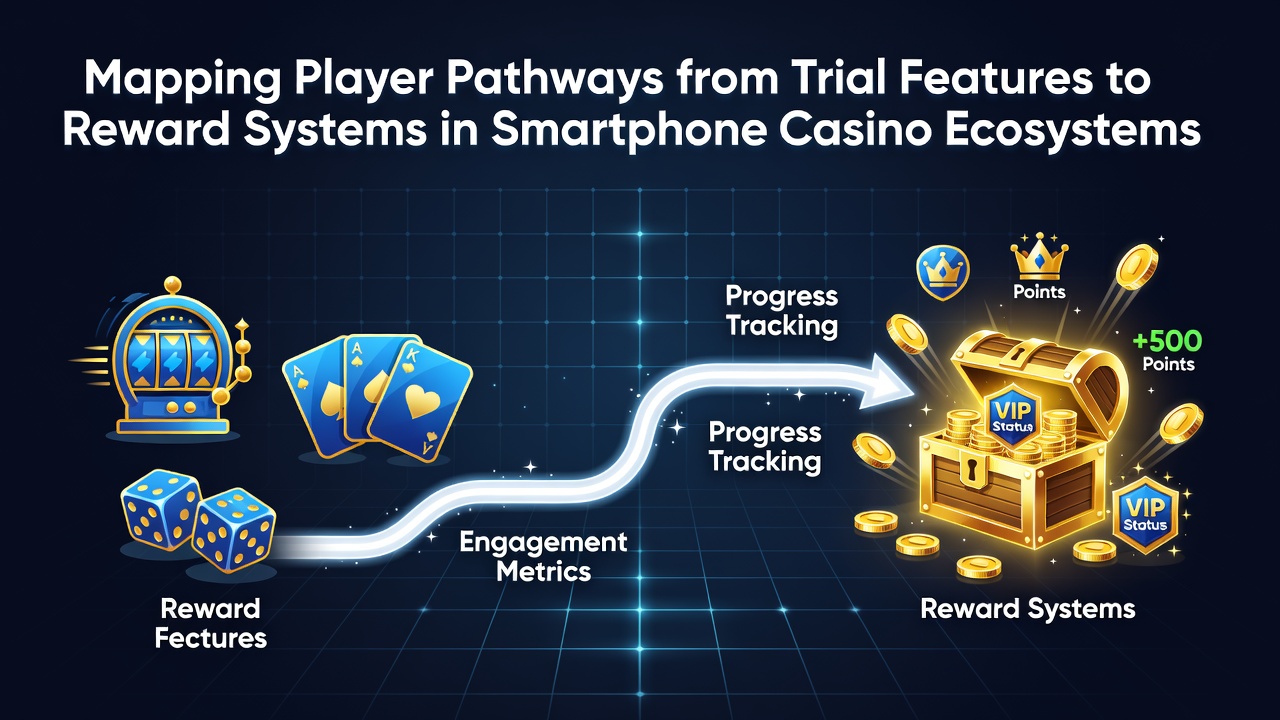
Smartphone casino platforms organize player movement through structured sequences that begin with trial features and advance toward layered reward systems, and data collected across multiple operators in July 2026 reveals consistent patterns in how these sequences unfold on mobile devices. Researchers tracking engagement metrics note that initial interactions often occur within demo modes or limited-access simulations, after which users receive prompts that guide them into monetized environments equipped with incentive structures such as loyalty points, tiered bonuses, and progressive jackpots.
Core Components of Trial Features on Mobile Devices
Trial features in smartphone casino ecosystems typically include free-to-access game versions, limited spin allotments, and introductory tutorials that operate without requiring deposits, while platform analytics indicate that users who complete these introductory sequences show higher rates of continued activity once reward elements activate. Observers tracking session data across devices find that mobile interfaces present these trials through swipe-friendly menus and push notifications that highlight immediate next steps, such as unlocking additional rounds after a set number of plays. Studies conducted by independent research groups document that trial completion times average between four and seven minutes on smartphones, after which users encounter clear visual cues directing them toward account registration or deposit options tied to reward eligibility.
Transition Mechanisms Connecting Trials to Rewards
Operators design transition mechanisms that convert trial participation into enrollment in reward systems through automated triggers, and these include progress bars that fill during demo sessions or milestone badges awarded upon reaching specific thresholds. Once users cross into paid modes, the same interface layers in additional elements such as cashback percentages, multiplier boosts, and personalized offers that accumulate based on prior trial behavior. Industry reports compiled by the Nevada Gaming Control Board illustrate how mobile platforms log each step in these transitions, creating data trails that allow systems to adjust reward density according to observed patterns in user retention and spend velocity.
Data Patterns Observed in July 2026
Platform telemetry gathered during July 2026 shows that smartphone users who engage with trial features for at least three consecutive sessions demonstrate elevated progression into reward tiers compared with those who skip trials entirely, while cross-device synchronization ensures that progress carries over when players switch between phones and tablets. A collaborative analysis released by the University of Sydney's gambling research unit examined similar pathways in Australasian markets and confirmed that reward system uptake correlates strongly with the presence of immediate visual feedback during the trial phase. These findings align with broader observations that mobile ecosystems prioritize seamless handoffs between free exploration and incentivized play to maintain session continuity.
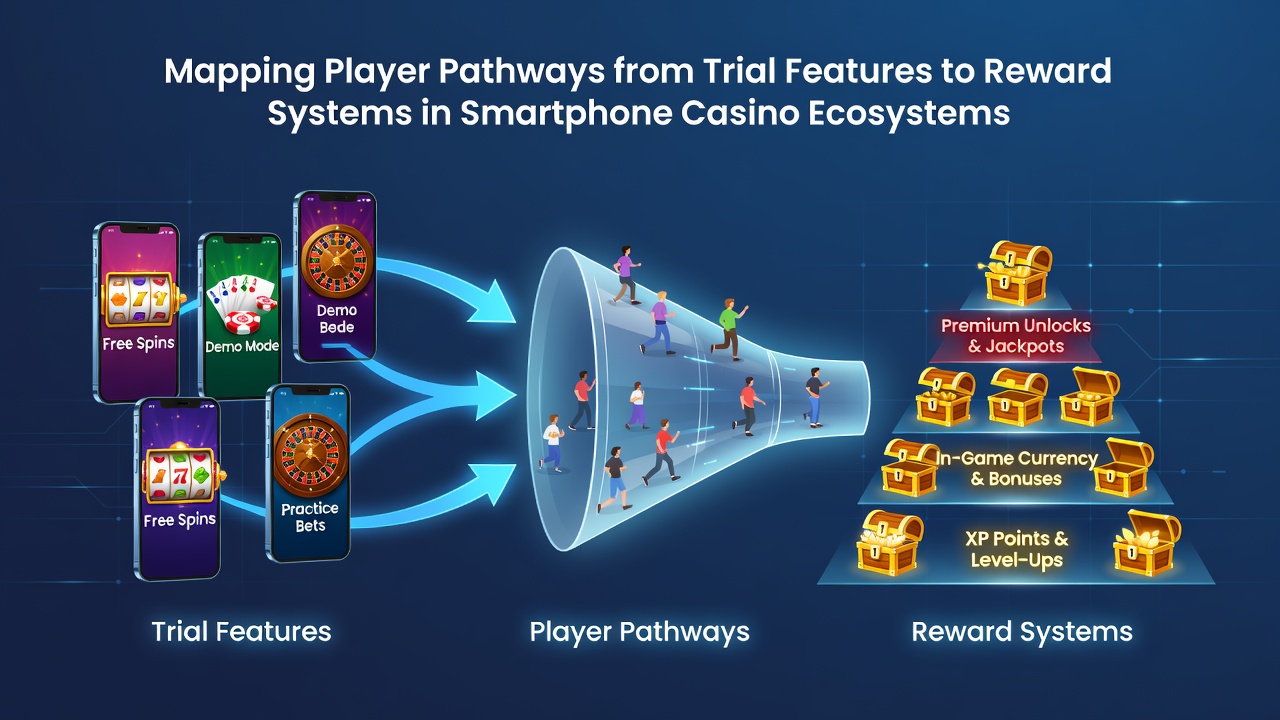
Further examination of aggregated datasets reveals that reward systems often activate within the first 48 hours after trial completion, with mobile push notifications serving as the primary delivery channel for initial bonus allocations. Operators refine these timings based on heat-map analysis of user activity peaks, which tend to cluster during evening hours across multiple time zones.
Technical Architecture Supporting Pathway Mapping
Backend architectures employed by smartphone casino platforms rely on event-tracking frameworks that record every interaction from trial entry through reward redemption, and these frameworks integrate with customer relationship management tools to personalize subsequent offers. Developers implement conditional logic that escalates reward complexity as users advance, for instance converting basic loyalty points earned in trials into higher-value multipliers once deposits occur. Security protocols ensure that pathway data remains encrypted during transmission between mobile applications and central servers, satisfying requirements set by regulatory bodies in multiple jurisdictions.
Examples of Implemented Pathway Models
One documented model used across several major operators sequences trial spins into a starter bonus package that unlocks after the user logs a minimum number of wins during the demo phase, after which the system introduces daily login streaks tied to escalating cashback levels. Another approach segments users by device type and geographic location before assigning tailored reward ladders, ensuring that progression feels responsive to individual play histories. Observers note that these models maintain consistency across operating systems yet adapt interface elements to match screen sizes and touch capabilities common in current smartphone hardware.
Conclusion
Smartphone casino ecosystems continue to refine the mapping of player pathways from trial features to reward systems through iterative analysis of engagement data, and the structures established by July 2026 demonstrate measurable links between early-stage interactions and long-term system participation. Continued monitoring by regulatory and academic entities will likely shape further adjustments to these sequences as mobile technologies evolve.