Touchscreen Gestures Transforming Bonus Collection Patterns in Mobile Casino Settings
Written by Ben Sullivan · Aug 14, 2026
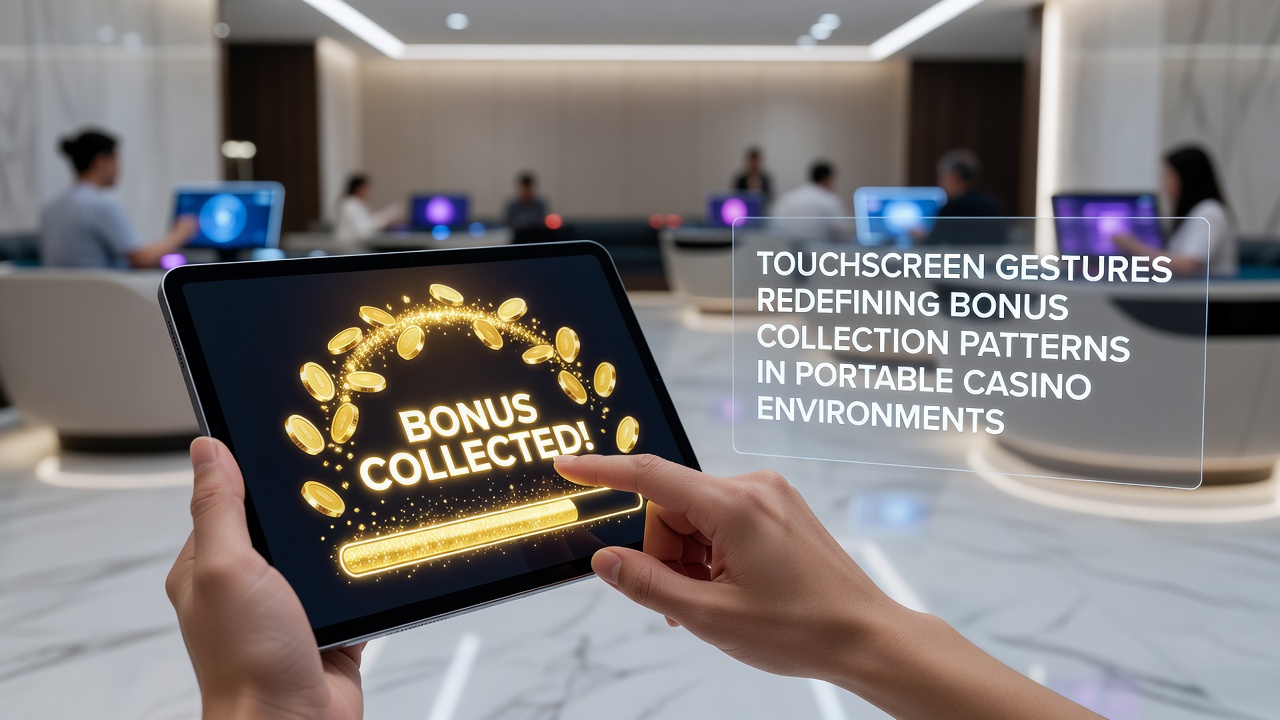
Touchscreen Gestures Transforming Bonus Collection Patterns in Mobile Casino Settings
Portable casino applications have integrated multi-touch capabilities that allow users to trigger and gather rewards through specific finger movements rather than fixed button presses. Observers note that swipe sequences now initiate bonus rounds while pinch gestures expand reward panels and tap patterns collect accumulated points in a single motion. These changes emerged prominently by August 2026 as device hardware supported higher precision tracking and developers adjusted interfaces accordingly.
Gesture Mechanics Replacing Traditional Inputs
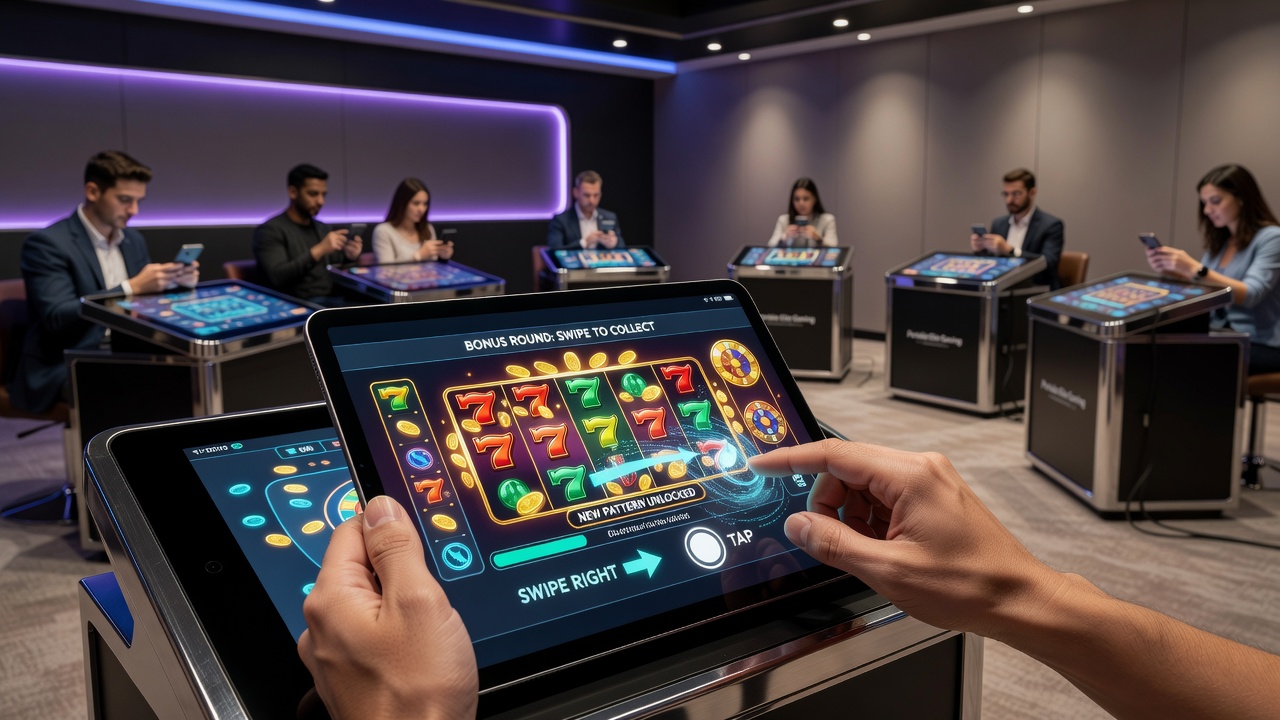
Earlier mobile platforms relied on repeated taps to spin reels or claim free plays yet current systems map continuous gestures to the same actions. A left-to-right swipe across the screen activates a spin while a circular motion gathers scattered bonus symbols into a central pool. Researchers at gaming technology labs have documented how these mappings reduce the number of individual screen contacts required per session and alter the timing of reward distribution. Data from industry reports indicate that sessions incorporating gesture chains show different collection frequencies compared with tap-only formats.
Multi-Touch Sequences and Reward Timing
Two-finger drags now split bonus pools into separate segments that users can claim independently or combine through additional gestures. This approach lets players decide collection order without navigating separate menus. Studies conducted at the University of Nevada Reno Gaming Research Center found that multi-touch patterns correlate with shorter intervals between reward triggers and higher simultaneous collection events. The same research tracked how three-finger holds pause ongoing bonus animations to allow precise selection of prize tiers before release.
Interface Adaptations Across Device Types
Tablet screens accommodate wider gesture areas than smartphone displays and developers have introduced scalable zones that expand or contract based on detected device size. On smaller handsets a single swipe might collect all visible bonuses while larger tablets require segmented drags to target specific items. Figures released by the Nevada Gaming Control Board in mid-2026 recorded increased adoption of these adaptive zones among licensed operators and noted corresponding shifts in player interaction logs.
What's interesting is that operating system updates in August 2026 refined touch sampling rates which in turn allowed more nuanced gesture recognition without added latency. Developers responded by embedding gesture tutorials directly into bonus interfaces so new users learn collection methods through guided practice rather than external instructions.
Regional Variations in Gesture Implementation
Operators in North America tend to favor swipe-to-collect mechanics while European platforms more frequently combine taps with rotation gestures for the same outcomes. Australian regulatory filings from the same period show emphasis on accessibility options that map alternative gestures for users with limited mobility. These differences arise from local hardware preferences and compliance requirements yet all regions report measurable changes in how bonus pools are accessed and depleted during active play.
Data Patterns Emerging from Gesture Analytics
Analytics platforms now log gesture velocity and pressure alongside traditional metrics such as spin count and win frequency. Reports compiled by the International Center for Gaming Regulation indicate that higher gesture speeds associate with faster bonus exhaustion rates while slower deliberate movements extend collection windows. The same datasets reveal that players who combine multiple gesture types within single sessions encounter reward triggers at intervals that differ from those observed in earlier tap-dominated environments.
Turns out device sensors also capture tilt and rotation inputs that some applications link to bonus multipliers. Tilting the phone forward might double collected points while a sideways rotation triggers an additional round. Observers note these sensor-based additions further diversify collection patterns and require users to coordinate physical device movements with on-screen finger actions.
Conclusion
Touchscreen gesture systems continue to evolve as hardware improves and regulatory bodies track resulting interaction data. By August 2026 the shift from discrete taps to fluid multi-touch sequences had already altered timing, order, and frequency of bonus acquisitions across portable platforms. Industry sources such as the University of Nevada Reno Gaming Research Center and reports from the Nevada Gaming Control Board provide ongoing measurements of these transitions. The patterns observed today reflect both technological capability and operator responses to documented user behavior across multiple regions.