Touch-Based Navigation Redefining Access to Indie Studio Reward Systems on Mobile Platforms
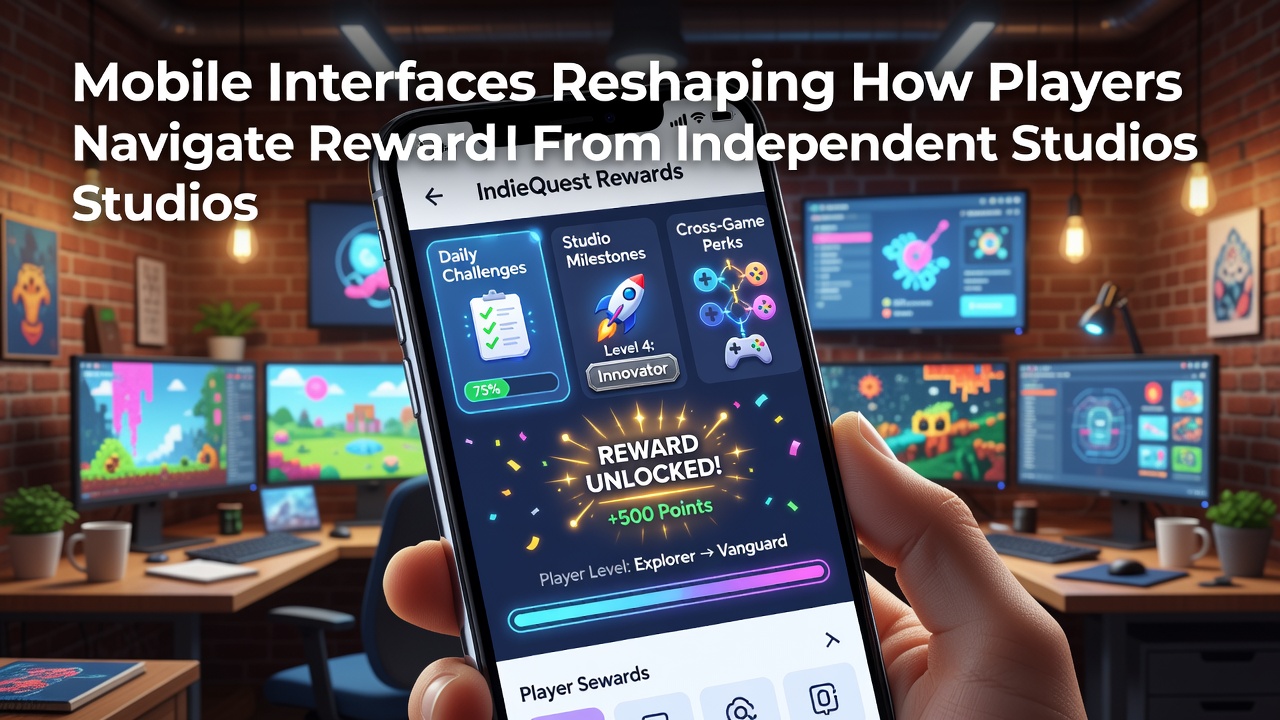
Independent game studios have integrated reward programs into their mobile titles for years, yet the way players interact with those systems continues to evolve through interface refinements. Data from industry reports indicate that mobile devices now account for over 60 percent of gameplay sessions across smaller development teams, according to a 2025 analysis by the Entertainment Software Association. This shift has prompted designers to prioritize gesture controls, adaptive layouts, and layered menus that surface loyalty tiers without requiring players to exit active gameplay.
Interface Elements Driving Program Accessibility
Developers at studios with teams under fifty people often test swipe-based reward trackers and collapsible progress bars that appear alongside core gameplay loops. These choices reduce the number of taps needed to view points balances or unlock tiers, a pattern observed in multiple case studies released by university research groups in Canada during early 2026. One study from the University of Waterloo tracked session lengths before and after interface updates and noted average increases of twelve percent when reward panels responded to single-finger drags rather than menu navigation.
Notifications tied directly to in-game actions also play a role. Players receive contextual prompts that highlight upcoming milestones while they remain inside levels, and these alerts draw from real-time data streams maintained by backend servers. Observers note that such integration keeps engagement metrics stable across different device sizes, since the same code base adjusts spacing and font weights automatically.
Regional Trends and Platform Variations
Markets outside traditional strongholds show distinct patterns. Reports compiled by the Australian Classification Board in late 2025 highlighted how reward visibility improved after studios adopted region-specific color schemes and localized icon sets. Meanwhile, developers targeting European audiences incorporated GDPR-compliant data toggles directly into reward dashboards, allowing users to manage tracking preferences without leaving the application.
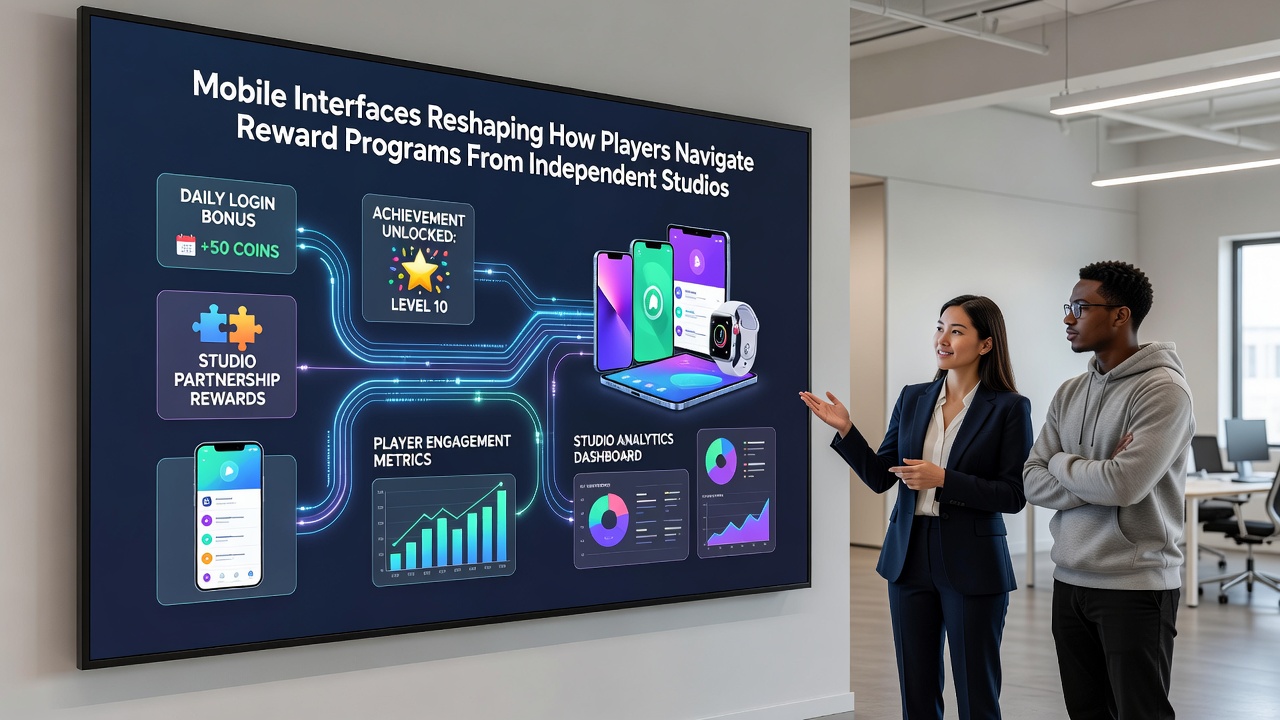
Platform holders contribute additional constraints. App stores enforce guidelines on overlay density and button contrast, which forces smaller teams to streamline reward interfaces further. Those constraints have led some studios to experiment with voice-activated tier checks on devices that support them, an approach documented in proceedings from the 2026 Game Developers Conference sessions focused on accessibility.
Backend Adjustments Supporting Frontend Changes
Behind each updated mobile interface sits a revised data architecture. Independent studios frequently adopt modular reward engines that push updates through over-the-air patches, avoiding full app resubmissions. This method lets teams adjust point multipliers or introduce limited-time challenges within hours of identifying player drop-off points, according to technical summaries shared by middleware providers at industry events.
Analytics platforms record heat maps of screen interactions, revealing which reward elements attract the most taps during peak hours. June 2026 figures from one aggregated dataset showed that reward carousels positioned at the bottom third of portrait screens received forty percent more engagement than those anchored to the top navigation bar.
Player Retention Metrics and Interface Correlations
Retention curves published by analytics firms demonstrate measurable differences once navigation friction decreases. Titles that introduced gesture-driven reward summaries recorded steadier daily active user counts over three-month windows compared with versions that retained traditional tabbed menus. Researchers at academic institutions have begun correlating these outcomes with specific interface variables, such as animation speed and color contrast ratios, to identify replicable design principles.
Cross-platform synchronization further influences how players approach rewards. When progress carries over from mobile sessions to desktop clients through cloud saves, the mobile interface often serves as the primary touchpoint for quick checks. Studios therefore allocate resources toward ensuring reward status loads within two seconds on average cellular connections, a benchmark cited in multiple engineering postmortems.
Conclusion
Independent studios continue refining mobile interfaces as primary gateways to their reward structures. The combination of gesture support, adaptive layouts, and backend flexibility produces measurable shifts in how players locate and interact with loyalty features. Ongoing data collection from regulatory bodies, academic groups, and platform analytics will likely guide the next round of adjustments as device capabilities advance.