Quiet Shifts in Digital Gaming: The Rise of Integrated Mobile Reward Tools Across Regulated Platforms
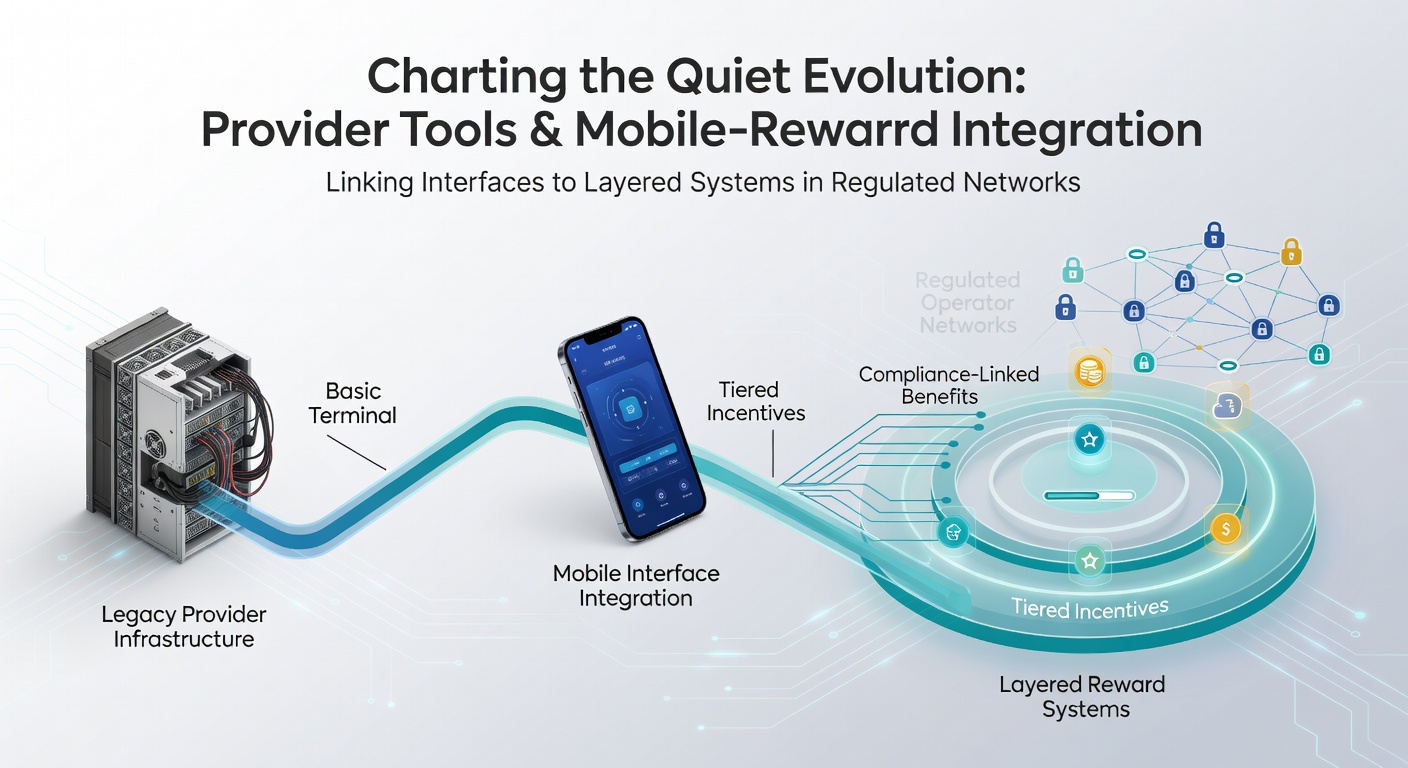
Provider tools have been evolving steadily behind the scenes in regulated operator networks, where mobile interfaces now connect directly to layered reward systems that track player activity across multiple stages. These developments gained momentum through 2025 and into May 2026 as operators sought smoother ways to deliver incentives without disrupting compliance frameworks. Data from industry reports shows that integration layers allow real-time updates between a player's mobile session and backend reward structures, creating pathways for tiered bonuses that activate based on accumulated play metrics.
Foundations of Mobile-to-Reward Connectivity
Early versions of these tools focused on basic mobile access to operator platforms, yet recent iterations add direct pipelines to reward engines that segment benefits into progressive layers. Observers note that such connections rely on standardized APIs which pull data from regulated networks while maintaining audit trails required by oversight bodies. Research indicates that this setup reduces latency in bonus delivery, allowing players to see updated reward status immediately after completing specific game milestones on their devices.
Layered Systems in Practice
Layered reward systems typically operate through three or four distinct tiers, each triggered by thresholds in play volume or session duration, and mobile interfaces serve as the primary entry point for users to monitor progress. Take one operator network in North America that implemented these tools in early 2026, where players receive instant notifications on their phones when they advance from an entry-level reward to a mid-tier benefit involving cashback multipliers. Studies from academic sources highlight how these layers incorporate compliance checks automatically, ensuring every reward step aligns with local licensing rules without manual intervention.
What's interesting here is the way provider tools embed these connections into existing infrastructure rather than overhauling entire systems. Software modules handle the handoff between mobile front ends and deeper network databases, which means operators can roll out updates across multiple jurisdictions with minimal reconfiguration. Figures from trade group analyses reveal adoption rates climbing as networks prioritize tools that support both iOS and Android environments equally.
Regulatory Influences on Tool Development
Regulated environments shape how these tools evolve because operators must satisfy requirements from agencies like the New Jersey Division of Gaming Enforcement and similar bodies in other regions. Provider teams build in features such as automated reporting that logs every reward activation, which helps networks demonstrate adherence during periodic reviews. Experts have observed that this regulatory alignment actually accelerates certain innovations since clear guidelines reduce uncertainty around data handling between mobile apps and central systems.
By May 2026, several networks reported expanded use of these integrated tools in markets across Europe and parts of Asia, where mobile penetration among players exceeds traditional desktop access. The connections allow reward layers to respond dynamically to player location data while enforcing geo-fencing rules embedded in the software. Industry organizations such as the European Gaming and Betting Association have documented case examples where seamless mobile-to-reward links improved operational efficiency without increasing compliance overhead.
Technical Mechanics Behind the Integration
At the core, these provider tools use secure data streams that push player activity metrics from mobile sessions straight into reward calculation engines housed within operator networks. Encryption protocols protect the flow while algorithms sort activity into appropriate layers, such as entry bonuses for new sessions or advanced multipliers for sustained engagement. People who've examined the architecture note that modular design lets providers swap individual components when regulations update, keeping the overall system flexible.
Take this case where a mid-sized operator deployed the tools across its mobile offerings in spring 2026, resulting in reward redemptions processed within seconds rather than the previous multi-minute delays. Backend logs capture each layer transition automatically, which streamlines audits and lets compliance teams focus on higher-level oversight. Research papers from university gaming labs emphasize that such efficiencies stem from direct interface-to-network pathways instead of intermediary servers that once created bottlenecks.
Future Trajectories in Regulated Networks
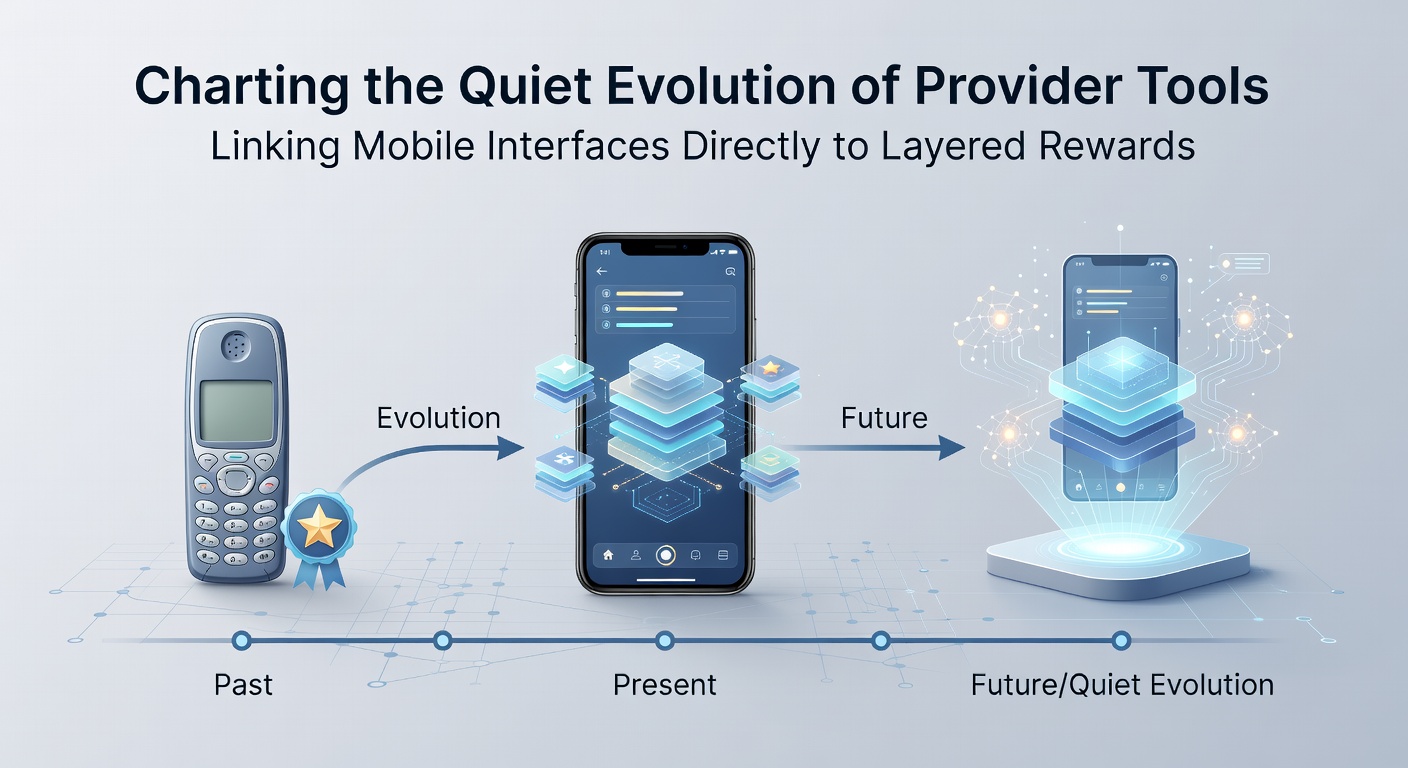
Looking ahead from the May 2026 landscape, further refinements are expected in how provider tools handle cross-device continuity within reward layers. Mobile interfaces may soon incorporate predictive elements that suggest optimal play paths to unlock subsequent tiers, all while staying within the boundaries set by regulatory frameworks. Observers note ongoing work to standardize these connections across different operator networks, which could lead to broader interoperability without compromising security standards.
Evidence suggests that continued investment in these areas will focus on scalability, allowing smaller regulated operators to access the same sophisticated linking capabilities previously limited to larger entities. This quiet evolution continues to prioritize stability and compliance as core elements rather than flashy additions.
Conclusion
The integration of mobile interfaces with layered reward systems through provider tools represents a measured progression in regulated operator networks. As documented through various reports and implementations up to May 2026, these connections deliver practical benefits in reward management while upholding necessary oversight. Continued developments in this space will likely build on existing foundations to support even more precise alignments between player activity and system responses.