Mobile Screen Adaptations Transform Player Engagement with Reward Systems in Reel Entertainment
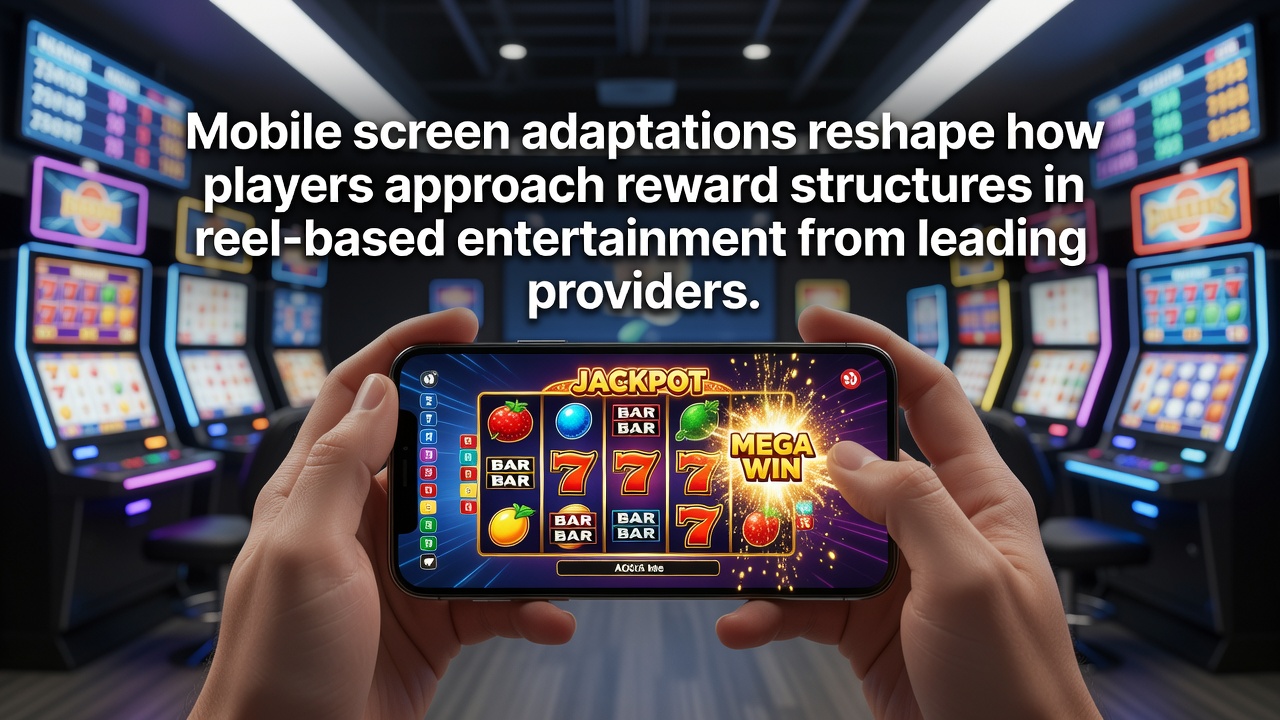 Mobile interfaces have altered the way reel-based entertainment delivers and structures rewards from major providers since the widespread adoption of smartphones for gaming sessions. Smaller displays require condensed layouts that group symbols, multipliers, and bonus triggers into fewer visible elements while preserving core mechanics from desktop versions. Providers adjust reel grids, payline indicators, and progress meters to fit portrait or landscape orientations, which affects how cumulative rewards accumulate and display during play. Data from industry reports released in July 2026 indicate that touch-based interactions now account for the majority of session initiations across leading platforms.
Mobile interfaces have altered the way reel-based entertainment delivers and structures rewards from major providers since the widespread adoption of smartphones for gaming sessions. Smaller displays require condensed layouts that group symbols, multipliers, and bonus triggers into fewer visible elements while preserving core mechanics from desktop versions. Providers adjust reel grids, payline indicators, and progress meters to fit portrait or landscape orientations, which affects how cumulative rewards accumulate and display during play. Data from industry reports released in July 2026 indicate that touch-based interactions now account for the majority of session initiations across leading platforms.Interface Adjustments and Reward Visibility
Screen size constraints prompt developers to prioritize prominent display of active bonuses and near-miss sequences over exhaustive lists of all possible outcomes. Developers compress information panels into expandable menus or overlay notifications that appear only after specific reel alignments occur. This design choice keeps primary focus on spinning reels while still conveying reward progress through color-coded bars and animated counters. Studies conducted by research institutions show that players on mobile devices encounter reward notifications at higher frequency per minute compared to stationary setups because swipe gestures replace button presses and reduce downtime between spins. Observers note that these notifications often include tiered reward previews that scale based on current bet levels.Player Strategy Shifts in Mobile Contexts
Mobile adaptations encourage different pacing and decision patterns around reward collection. Shorter attention windows on handheld devices lead users to favor quick-access features such as instant bonus buy options or auto-spin sequences that maintain reward momentum without constant manual input. Providers respond by embedding these options directly into the main reel area rather than separate menus. Evidence from academic analyses of gaming behavior reveals that touch-screen users adjust bet sizing more frequently within single sessions because gesture controls allow rapid increments without leaving the primary game view. Such adjustments tie directly into how progressive reward pools display on smaller canvases, with meter values updating in real time alongside reel results.