Haptic Feedback Mechanisms and Their Impact on Risk Evaluation in Mobile Reel Applications
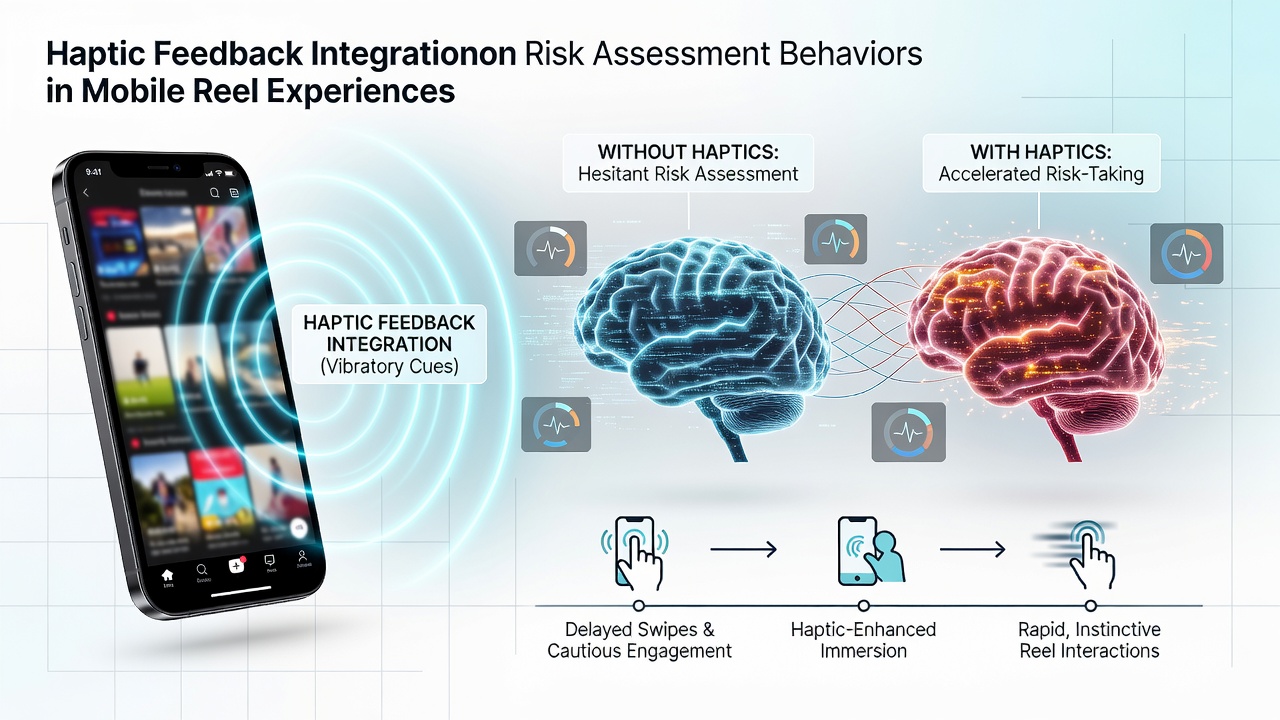
Developers have integrated haptic feedback into mobile reel applications for several years, and this technology delivers precise vibrations that correspond to reel spins, wins, and near-miss events. Research conducted across multiple platforms shows these tactile signals reach users through smartphone actuators, creating patterns that align with visual and audio cues. Data collected from user sessions in early 2026 indicates that such feedback loops alter how individuals process potential outcomes during extended play periods.
Core Components of Haptic Integration in Reel Interfaces
Engineers design haptic systems around linear resonant actuators and eccentric rotating mass motors, which generate distinct vibration intensities and durations. These components activate in response to specific reel events, such as symbol alignments or bonus triggers, and studies from academic institutions reveal that the timing of these signals influences user attention spans. Observers note that shorter, sharper pulses often accompany high-value outcomes while longer rumbles mark standard spins, and this differentiation helps users track progress without constant visual monitoring.
Software frameworks allow developers to program haptic sequences that match reel mechanics precisely, and testing data from laboratories demonstrates improved synchronization between touch sensations and on-screen animations. Companies operating in North America and Europe have adopted these standards, which results in consistent experiences across devices from different manufacturers.
Behavioral Shifts Observed in Risk Assessment Patterns
Analyses of player interactions reveal that haptic cues modify decision-making processes during reel sessions, particularly when users evaluate whether to continue or adjust betting levels. Figures from controlled experiments show increased persistence after sequences that include positive tactile reinforcement, while negative feedback patterns correlate with quicker session terminations. Researchers at various universities have documented these trends through eye-tracking and response-time measurements, confirming that tactile input adds a layer to cognitive evaluation of risk versus reward scenarios.
One case study involving participants in simulated environments found that those exposed to enhanced haptic profiles made fewer abrupt stops during losing streaks compared to control groups. The reality is that vibration patterns create a sense of continuity that sustains engagement even when visual indicators suggest caution, and similar patterns appear in data gathered from diverse demographic samples.

Evidence from Recent Studies and July 2026 Reports
A report released in July 2026 by an international research consortium highlighted measurable changes in risk tolerance among mobile users who regularly encounter haptic-enhanced reels. Participants demonstrated extended play durations when feedback emphasized near-miss events through targeted pulses, and this effect held across age groups and geographic locations. Additional findings from Canadian regulatory bodies and Australian gaming research centers align with these observations, showing that haptic integration correlates with altered stop-loss behaviors in tracked sessions.
Industry organizations such as the International Association of Gaming Regulators have compiled comparative data sets that illustrate regional variations in how tactile feedback influences choices. European studies, for instance, point to different response rates than those recorded in Asian markets, yet the core mechanism of haptic influence on risk perception remains consistent. What's interesting is that these variations often tie to device hardware differences rather than cultural factors alone.
Technical Factors Driving Perceptual Changes
Device calibration plays a central role in how effectively haptic signals reach users, and variations in actuator strength lead to differing levels of impact on risk assessment. Engineers adjust frequency ranges and amplitude settings based on user testing, which produces feedback that either amplifies or dampens perceived stakes. Data indicates that higher-intensity vibrations during bonus rounds encourage continued participation, whereas subdued signals during standard play allow users to maintain clearer evaluations of ongoing risks.
Software updates in mid-2026 introduced adaptive haptic profiles that respond to individual session histories, and early adoption metrics suggest these features further refine behavioral responses. Those who study interface design note that such personalization connects directly to shifts in how players weigh potential losses against accumulated tactile rewards.
Conclusion
Haptic feedback continues to evolve as a key element in mobile reel design, and its integration produces documented effects on risk assessment across multiple user bases. Evidence from academic and regulatory sources demonstrates consistent patterns in decision-making adjustments tied to tactile cues, while technical refinements shape the strength of these influences. Future developments will likely build on these foundations, expanding the range of feedback options available to developers and users alike.