From Demo Versions to Actual Winnings: Navigating Mobile Slot Experiences in UK Licensed Environments
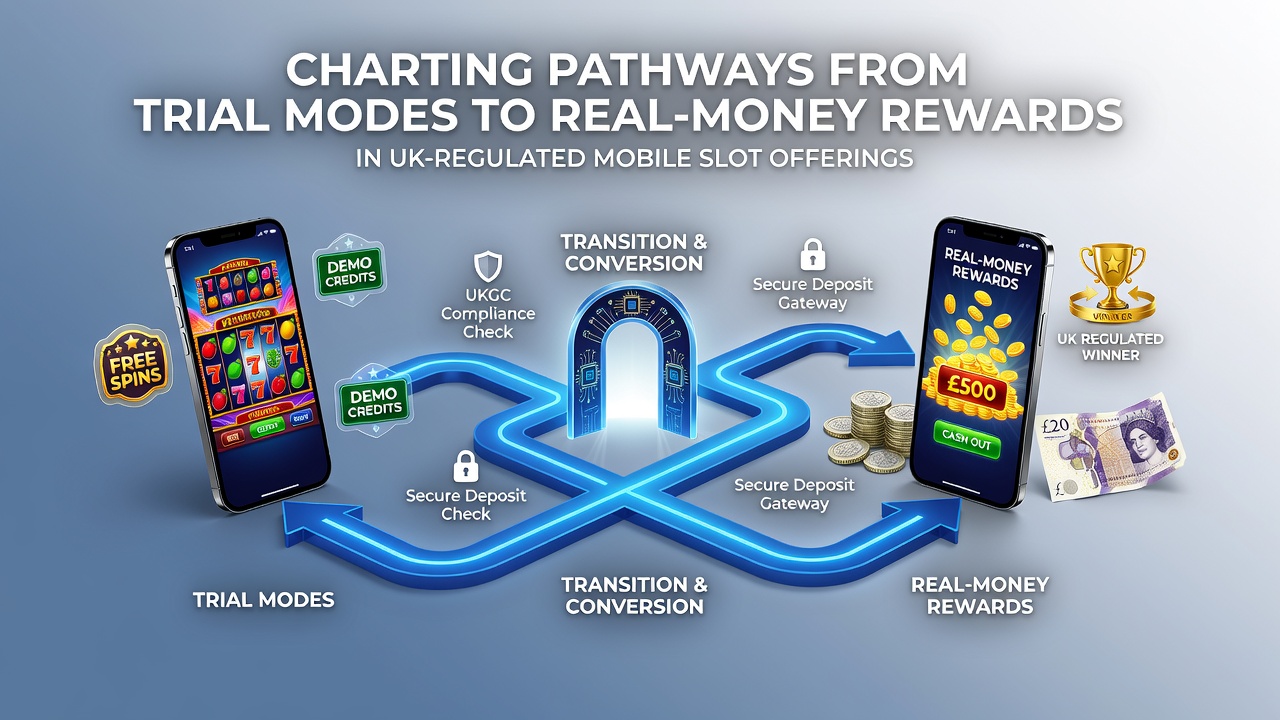
Operators in the United Kingdom maintain clear distinctions between trial modes and real-money play in mobile slot offerings, and regulatory frameworks require verification steps before any cash transactions occur. Players access demo versions through licensed apps where virtual credits simulate outcomes without financial exposure, while the shift to paid play activates only after identity checks confirm eligibility under age and location rules.
Regulatory Foundations Governing the Transition
British standards mandate that mobile slot platforms separate practice environments from funded accounts, and data from the Malta Gaming Authority shows similar separation protocols across European jurisdictions that influence UK practices. Operators integrate age verification tools at the point of real-money entry, and this process typically involves document uploads combined with automated checks that complete within minutes on most applications. Research from the Ontario Lottery and Gaming Corporation indicates that streamlined verification reduces drop-off rates during the switch from trials to deposits, with completion rates rising when platforms use biometric options alongside traditional methods.
Mechanics of Trial Mode Functionality
Trial modes replicate core gameplay elements including reel spins, bonus triggers, and payout structures using randomized number generators identical to those in paid versions, yet they restrict withdrawals and limit session lengths to prevent extended practice without commitment. Mobile applications often embed these modes directly in the interface, allowing users to toggle between environments once accounts receive approval. Studies conducted by university research teams in Australia reveal that players who spend time in demo sessions first demonstrate higher familiarity with game rules upon entering real-money play, which correlates with more measured deposit patterns according to aggregated operator reports.
What's interesting is how many platforms display clear labels on trial interfaces that state the absence of monetary prizes, and this transparency requirement stems from consumer protection guidelines applied across licensed operators. In June 2026, several providers updated their mobile interfaces to include progress trackers that highlight when users have reached verification thresholds for unlocking cash features.
Steps Players Follow to Unlock Real-Money Rewards
Account creation begins the process, followed by submission of identification documents that satisfy know-your-customer protocols before any deposit occurs. Once verified, users select from various payment methods including bank transfers and digital wallets, each subject to the same security audits applied to trial-to-paid transitions. Observers note that mobile-specific features such as one-tap deposits and biometric confirmations accelerate this pathway compared to desktop experiences, and figures from industry associations indicate mobile conversions now account for the majority of new funded accounts in the sector.
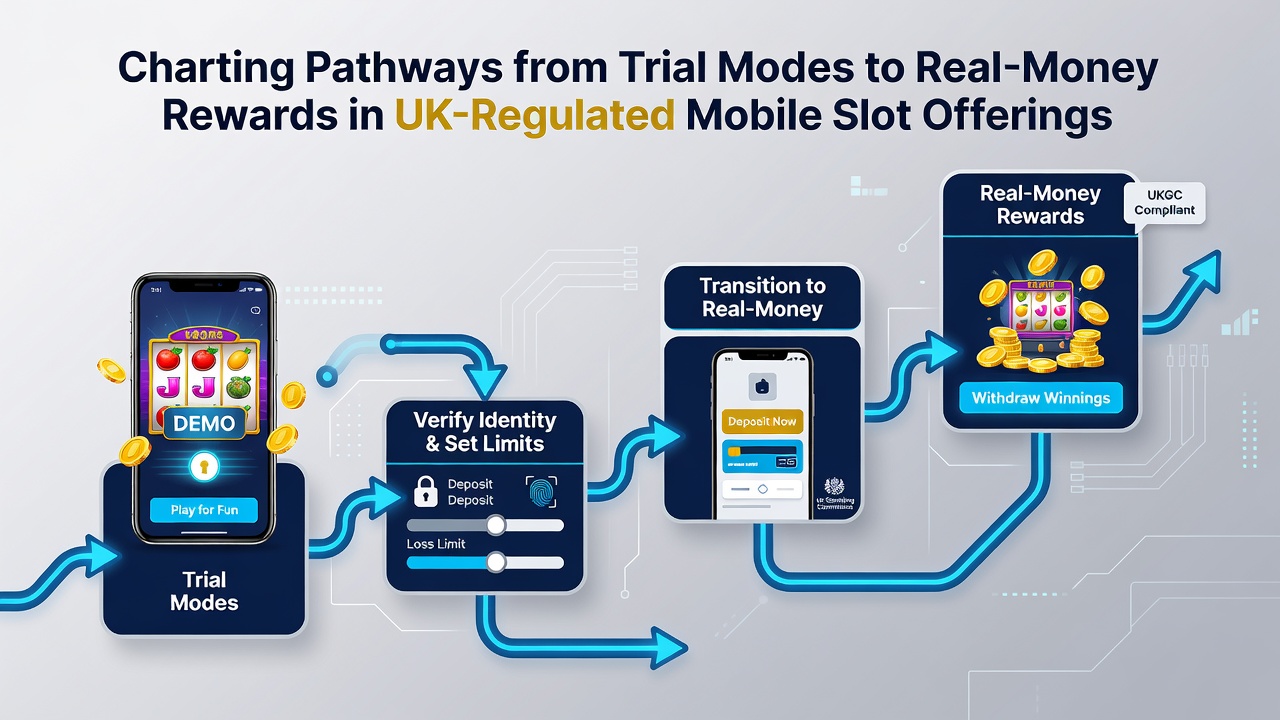
Bonus structures frequently bridge the two modes by offering matched deposits or free spin allocations that become available immediately after the first funded transaction, and these promotions carry wagering conditions detailed in the terms displayed during the switch. Players who complete verification through mobile apps often receive instant access to these rewards, whereas delays appear more common when documentation requires manual review.
Data Trends in Mobile Slot Engagement
Industry reports compiled in early 2026 highlight continued growth in mobile slot participation, with trial mode usage serving as an entry point for a substantial portion of new accounts. The Nevada Gaming Control Board has published comparative analyses showing parallel patterns in other regulated markets where demo availability precedes higher real-money retention when combined with educational prompts. Those patterns suggest that platforms providing guided explanations during trial sessions see smoother transitions overall, and British operators have incorporated similar tutorial elements into their mobile offerings.
Yet the reality remains that not every trial session leads directly to deposits, since many users treat demos as entertainment without progressing further. External data sources including academic papers on digital gambling behaviors confirm that time spent in practice correlates with eventual paid engagement only when combined with clear reward pathways and transparent payout information.
Conclusion
The structured movement from trial modes to real-money participation in UK-regulated mobile slots relies on verification processes, interface design choices, and compliance with established consumer standards. Licensed operators continue to refine these pathways through updates that emphasize clarity at each stage, while broader regulatory influences from multiple jurisdictions shape consistent practices across the market. Data from diverse sources continues to track how these transitions affect player behavior and operator performance in measurable ways.