Decoding the Role of Game Provider Algorithms in Optimizing Free Spin Acquisitions on UK Mobile Devices

Game provider algorithms shape how free spin features activate on mobile platforms across the UK market, and observers note that these systems rely on complex probability models to determine bonus triggers during gameplay sessions. Data from industry reports shows these mechanisms adjust in real time based on player behavior patterns, device specifications, and regulatory parameters that apply specifically to mobile environments.
Understanding Core Algorithm Structures
Random number generators sit at the foundation of every game provider system, yet the optimization layer extends far beyond basic randomness to include weighted bonus allocation routines that prioritize free spin events on smaller screens. Researchers at institutions such as the University of Nevada have examined how these routines balance return-to-player percentages with mobile data constraints, and their findings indicate that mobile-specific code branches often reduce animation loads while maintaining trigger frequencies that match desktop versions. Those who have studied deployment logs find that providers incorporate session length predictors which favor shorter mobile interactions by increasing the density of free spin opportunities within the first few minutes of play.
Mobile Optimization Techniques in Practice
Touchscreen input introduces variables that desktop interfaces never encounter, so algorithms incorporate gesture recognition data to refine spin timing and bonus reel alignment. A report published through the Gaming Laboratories International outlines how mobile SDK integrations allow providers to monitor frame rates and battery levels, then dynamically scale reel complexity without altering the underlying free spin probability matrix. This adjustment process keeps acquisition rates consistent across varying network conditions common in UK urban and rural areas alike.
Device fingerprinting forms another critical component, where algorithms detect operating system versions and screen resolutions before serving tailored bonus sequences. Evidence from technical audits reveals that certain providers embed conditional checks that unlock additional free spin layers when the system identifies high-performance hardware, and these checks operate within milliseconds of app launch. Players on older devices receive adjusted sequences that maintain fairness while respecting hardware limits, and teh result appears in aggregated playtime statistics released during July 2026 industry briefings.
Data Analytics Driving Free Spin Triggers
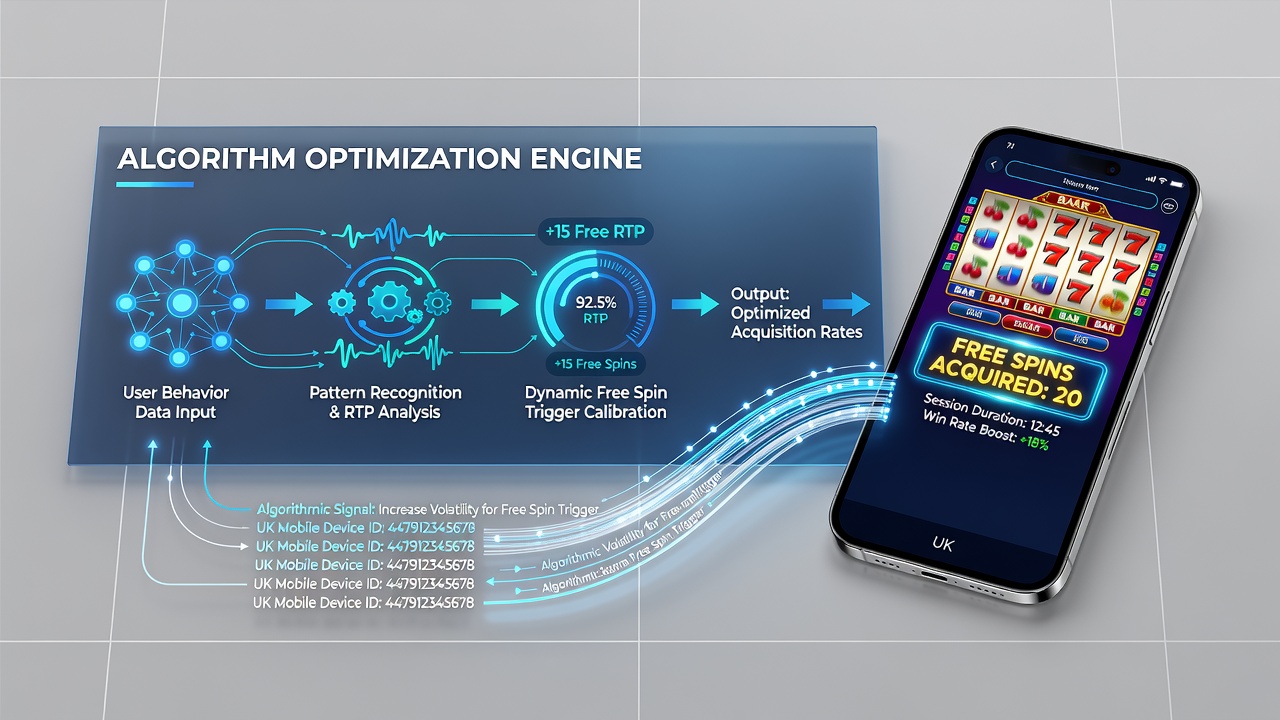
Behavioral analytics engines collect anonymized interaction metrics such as swipe speed, pause duration, and feature engagement depth, then feed these inputs into machine learning models that forecast optimal moments for free spin activation. Studies conducted by the Canadian Centre for Gaming Research demonstrate that such predictive layers can increase bonus feature visibility by up to 18 percent on mobile compared with static desktop configurations, although the exact uplift varies by title and operator implementation. The models also account for regional play habits, including peak evening hours observed across UK networks during summer months.
Real-time A/B testing frameworks allow providers to iterate on trigger thresholds without full game redeployment, and developers often run parallel algorithm variants across segmented user groups. Observers who have reviewed anonymized test results note that mobile cohorts frequently show higher conversion from demo play to bonus acquisition when the system reduces the number of base spins required before feature entry. These iterative processes rely on continuous data pipelines that update weighting coefficients daily, ensuring compliance with jurisdictional requirements while preserving mathematical fairness.
Regulatory and Technical Compliance Layers
UK mobile operators must integrate provider algorithms with third-party verification tools that certify random outcomes and bonus distribution equity, and certification bodies perform periodic code reviews to confirm that optimization routines do not introduce bias. Technical specifications updated in early 2026 require explicit documentation of any mobile-specific branching logic, which forces providers to maintain transparent audit trails for free spin frequency calculations. Those responsible for compliance reporting indicate that these requirements have prompted several providers to publish simplified white papers explaining how their mobile algorithms differ from legacy desktop versions.
Future Developments in Algorithm Design
Emerging approaches incorporate edge computing resources available on newer mobile chipsets, allowing portions of the probability engine to execute locally rather than relying entirely on server calls. This shift reduces latency during bonus sequences and enables more granular control over free spin visual pacing. Industry analysts tracking pilot programs launched in July 2026 report that local processing improves perceived responsiveness, particularly when network congestion occurs during high-traffic periods. Developers continue to refine these hybrid models while ensuring that core randomness remains server-side to satisfy audit standards.
Conclusion
Game provider algorithms continue to evolve in response to mobile hardware advances and shifting player expectations, and the optimization of free spin acquisitions represents one of the most visible areas of this evolution on UK devices. Technical documentation, certification data, and academic examinations collectively illustrate how probability models, behavioral analytics, and device-aware adjustments work together to deliver consistent bonus experiences across diverse hardware profiles. As July 2026 data streams accumulate, further refinements are expected to maintain alignment between player engagement patterns and regulatory expectations.