Behavioral Trends Revealed by Trial Modes in UK-Regulated Mobile Casino Platforms
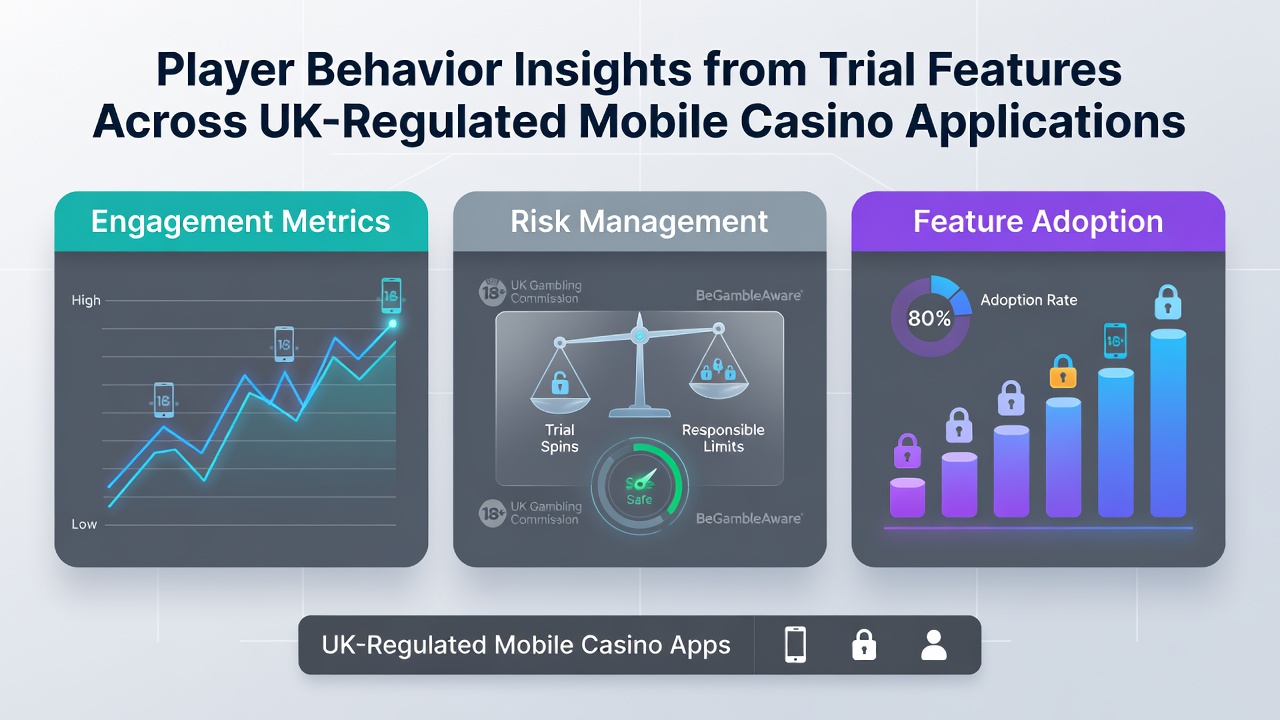
Analysts tracking mobile gambling applications across the United Kingdom have compiled extensive datasets from trial features that allow users to sample games without financial commitment, and these records indicate distinct patterns in how people interact with such tools over extended periods. Data collected through July 2026 shows that session lengths in demo modes often extend longer than those in real-money play, with users exploring multiple titles before committing funds in many cases.
Operators report that trial features serve as entry points where individuals test mechanics, volatility levels, and bonus structures, while aggregated logs reveal repeat visits to specific game categories even when no wagers occur. Researchers examining these logs note that conversion rates from trial sessions to funded accounts vary by age group and device type, with certain demographics displaying higher follow-through after repeated demo exposure.
Core Mechanics of Trial Implementations
UK-regulated mobile casino applications integrate trial modes that mirror live gameplay environments yet restrict monetary transactions, allowing participants to spin reels or place virtual bets using allocated credits that reset at intervals. These systems log every action including game selection, duration per title, and feature triggers, generating anonymized datasets that operators share with compliance teams for review.
Platform providers configure these modes to match real payout percentages displayed in information panels, which means users encounter identical random number generator outputs whether practicing or wagering. Observers have documented that such parity encourages deeper exploration of paytable details and bonus round triggers during trial periods, since participants face no immediate financial pressure.
Engagement Metrics Across User Segments
Figures from multiple operators indicate that users aged 25 to 34 initiate the highest volume of trial sessions, often cycling through five or more distinct titles within a single sitting, whereas those over 45 tend toward fewer selections but longer individual game durations. Mobile-specific data further shows that tablet users maintain trial sessions nearly 30 percent longer than smartphone users on average, a pattern attributed to larger screen real estate facilitating sustained attention.
Geographic breakdowns within the UK highlight urban centers generating elevated trial activity compared with rural regions, though conversion to paid play remains proportionally similar once accounts receive funding. Studies conducted by independent research groups such as the Canadian Centre for Gaming Research align with these observations and suggest cultural factors influence how trial tools translate into habitual engagement.
Retention Patterns Following Trial Exposure
Longitudinal tracking reveals that accounts activated after multiple trial sessions exhibit stronger retention over 90-day windows than those funded immediately upon first visit. Operators note that users who engage trial features for at least three separate visits before depositing display lower churn rates, a finding consistent across both iOS and Android ecosystems.
Bonus structures accessed during trials appear to influence subsequent real-money decisions, with players frequently returning to titles where they previously triggered high-value virtual wins. This behavior creates predictable pathways where demo exposure directly shapes which games receive initial deposits once funding occurs.
Regulatory Alignment and Data Utilization
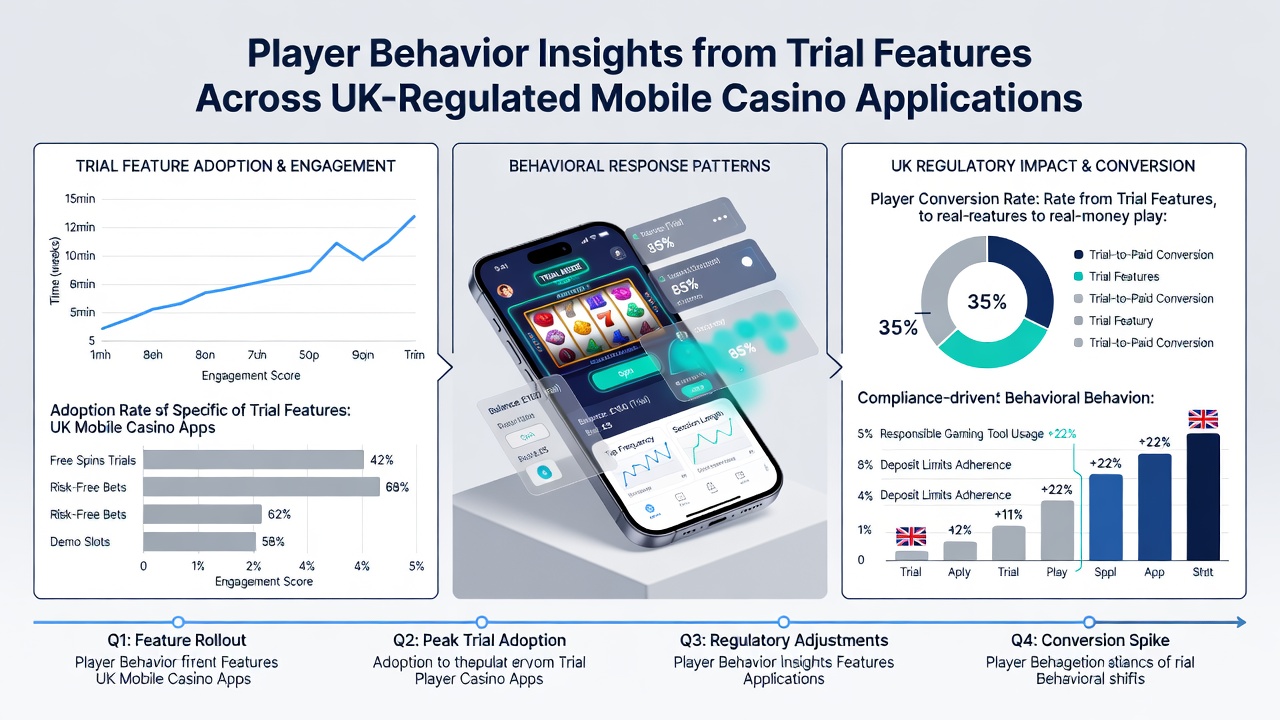
Compliance frameworks require operators to maintain clear separation between trial and real-money environments while ensuring all promotional messaging around demo availability remains accurate. Records from these features feed into broader responsible gambling protocols, enabling platforms to identify extended session behaviors that may warrant additional player support resources.
External reviews by bodies such as the Australian Gambling Research Centre emphasize how trial data contributes to industry-wide understanding of engagement without direct financial risk, offering benchmarks that regulators in multiple jurisdictions reference during policy evaluations.
Device and Interface Influences
Touchscreen interactions logged during trial play demonstrate that gesture patterns differ markedly between casual browsers and those nearing a deposit decision, with the latter group showing more deliberate navigation toward information screens and paytable reviews. Software updates deployed through mid-2026 refined loading sequences for trial modes, resulting in measurable increases in completed sessions per user.
Cross-device continuity features allow trial progress to sync across phones and tablets, which further extends overall engagement time as individuals resume sessions started on one platform from another. Such functionality contributes to richer datasets that capture multi-touchpoint behaviors rather than isolated single-device events.
Conclusion
Comprehensive examination of trial feature data from UK-regulated mobile casino applications continues to yield actionable insights into player navigation, title preferences, and conversion pathways as of July 2026. Aggregated records demonstrate consistent demographic and behavioral distinctions that operators apply when refining user experiences while maintaining regulatory standards. These patterns underscore the value of trial environments as both educational tools for participants and analytical resources for platform development across the sector.