Aligning Game Design Elements with Campaign Strategies Across Mobile Chance Entertainment Platforms
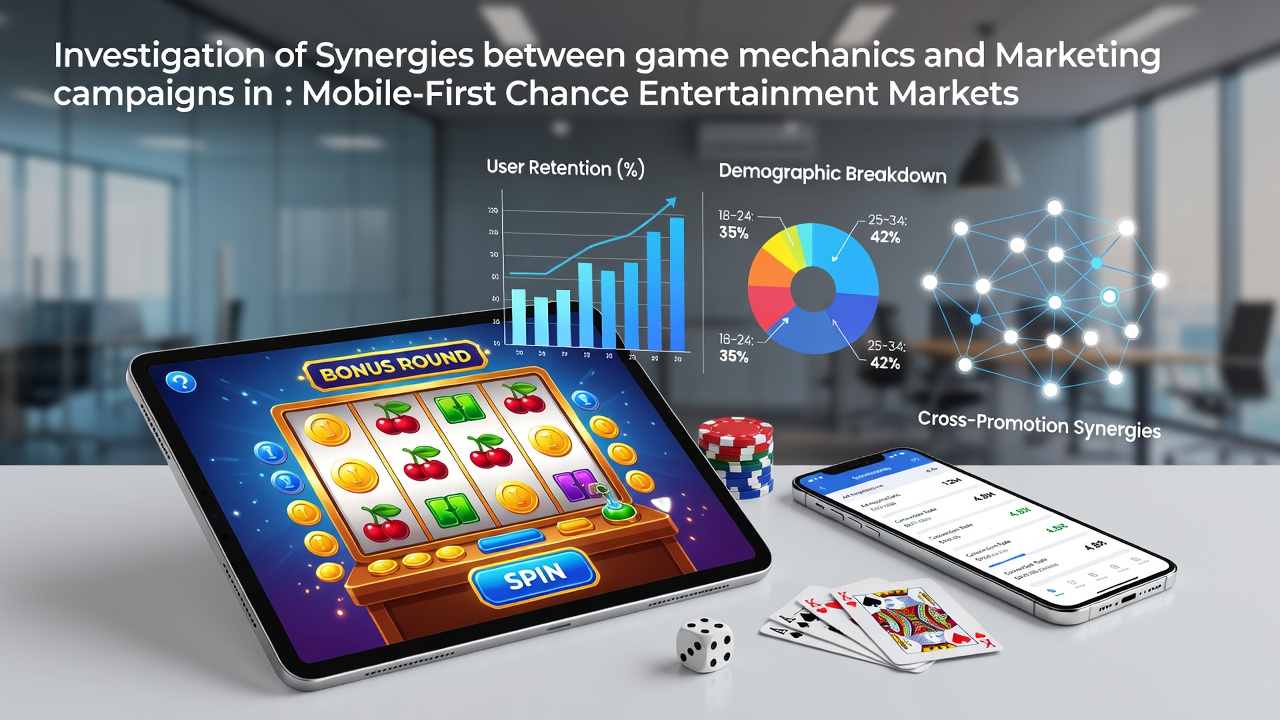
Market data from July 2026 shows continued expansion in mobile-first chance entertainment sectors where operators integrate specific game mechanics with targeted promotional activities. These alignments focus on elements such as reel structures, bonus triggers, and payout frequencies that connect directly to campaign mechanics including deposit matches, free spin allocations, and loyalty rewards.
Researchers at the University of Nevada Las Vegas documented how volatility settings in slot titles influence the timing and structure of marketing offers across North American and European markets. Their analysis covered session length patterns and redemption rates for bonus features, revealing that lower volatility games often pair with entry-level promotions while higher volatility options align with jackpot-focused campaigns.
Core Game Mechanics in Mobile Environments
Mobile platforms emphasize mechanics that adapt to shorter play sessions and touch-screen interactions. Features like cascading reels, expanding wilds, and progressive multipliers appear in titles designed for quick engagement. Data from the Australian Communications and Media Authority indicates that these elements drive repeat logins when synchronized with time-limited offers that refresh daily or weekly.
One study released in early 2026 examined how random number generator configurations interact with marketing calendars. Titles with frequent small wins supported campaigns that rewarded consistent daily logins, whereas those built around rarer large payouts coordinated with milestone bonus structures that required accumulated playtime. Observers note these pairings appear across operators serving multiple jurisdictions including parts of Canada and several EU member states.
Marketing Campaign Structures and Delivery Methods
Campaigns in this sector typically deploy through push notifications, in-app banners, and email sequences. Mechanics such as near-miss animations and teaser progress bars within games often preview upcoming promotional events. Figures from iGaming Ontario reveal that campaigns highlighting specific bonus rounds achieve higher conversion when the underlying game already contains matching feature triggers.
What's interesting is how operators segment user groups based on historical interaction with certain mechanics. Players who frequently trigger free spin modes receive offers that extend those same features, while those engaging with multiplier systems see promotions built around enhanced win multipliers. This segmentation draws from aggregated behavioral datasets rather than individual profiling in many regulated markets.
Documented Synergies and Implementation Patterns

Industry reports compiled by the Canadian Gaming Association in mid-2026 highlighted several recurring patterns. Games featuring buy-a-bonus options frequently appear in campaigns that sell discounted entry packages for those same features. Similarly, games with persistent state elements like collection meters support loyalty programs that award points toward meter completion.
Turns out these connections extend beyond surface-level promotions. Mechanics involving escalating difficulty or level progression often tie into tiered marketing ladders where players advance through reward brackets by completing in-game challenges. Data collected across multiple operators shows these layered systems maintain engagement metrics over longer periods compared to standalone offers.
One analysis of European mobile markets found that campaigns promoting mechanic-specific tournaments achieve measurable uplift when the selected titles already contain teh highlighted features as core gameplay loops. Regulators in several regions require clear disclosure of these integrations to maintain transparency standards.
Regional Variations in Approach
Implementation differs by jurisdiction due to varying regulatory frameworks. Markets with strict advertising rules tend to embed promotional elements more deeply within game interfaces rather than through external channels. In contrast, regions with broader marketing allowances use standalone campaigns that reference game mechanics as selling points.
Academic reviews from institutions tracking global gaming trends note that mobile-first operators increasingly test mechanic-campaign bundles in controlled environments before wider rollout. These tests measure retention after promotional periods end and track whether players continue engaging with the same titles without active incentives.
Conclusion
Evidence from multiple regulatory and academic sources points to deliberate coordination between game mechanics and marketing campaigns as a standard practice in mobile chance entertainment markets as of July 2026. These alignments rely on data-driven matching of feature sets with promotional structures across different geographic regions and operator types. Continued monitoring by industry groups and research bodies will track how these patterns evolve with new game releases and shifting regulatory requirements.